Etiket: #Damask Rose
A rose does not attract scientific attention simply because it smells beautiful.
When researchers study a plant, they ask very different questions:
What compounds does it contain? Can those compounds be identified and measured? What happens when they interact with cells or microorganisms? Are similar effects observed in humans? Does the production method change the final product and its properties?
Rosa damascena—the Damask rose, particularly associated with Isparta, Türkiye—is an intriguing plant because it raises many of these questions at the same time.
Scientific research is not limited to rose essential oil. Rose water, hydrosols, flower extracts, and preparations obtained from different parts of the plant have also been investigated.
🌹 IN SHORT
Rosa damascena is scientifically interesting because of its long history of use, complex chemical composition, the variety of products that can be obtained from it, and the measurable biological activities reported for some of these preparations.
However, the fact that something has been studied does not mean that every claimed benefit has been conclusively proven in humans.
1. It All Begins with the Chemistry of...
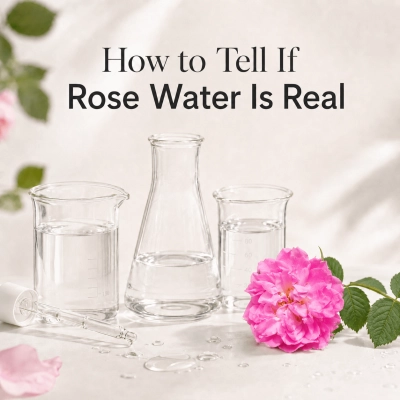
A practical guide to ingredients, production methods, quality testing and label transparency
Walk into a beauty store, natural health shop or online marketplace in Canada and you will find dozens of products labelled “rose water.” Their packaging may feature claims such as “natural,” “pure,” “organic,” “100% rose water” or “free from additives.”
At first glance, these products may appear almost identical. In reality, they can differ considerably in their ingredients, botanical source, production method and quality standards.
A bottle of genuine rose water may represent thousands of freshly harvested roses, careful distillation and generations of production knowledge. Another product with a similar name may simply be water combined with rose fragrance and other cosmetic ingredients.
This is why knowing how to identify genuine rose water matters.
The answer cannot be determined by scent, colour or price alone. A reliable assessment requires looking at the ingredient list, botanical species, production method, safety testing and the amount of verifiable information provided by the manufacturer.
Not Every Product Called “Rose Water” Is the Same
Rose water is often viewed as litt...
“Natural” on the front label is not enough, learn how to read the ingredients, understand the production method and recognize a genuine rose distillateRose water looks like a simple product, but choosing an authentic one can be surprisingly difficult. Many bottles display words such as “natural,” “pure” or “made with roses,” even when the formula contains added water, fragrance, preservatives or other ingredients.So how can you tell whether rose water is truly pure?There is no single home test that can prove purity with complete certainty. Colour, scent and price can provide clues, but the most reliable assessment comes from examining several details together: The ingredient list The method of production Whether rose oil has been separated The product’s natural aroma and taste profile Its microbiological stability Laboratory analysis and traceability Understanding these factors is more useful than relying on the word “natural” alone.1. Begin With the Ingredient ListIn Canada, cosmetic products must display their ingredients using the International Nomenclature of Cosmetic Ingredients, commonly known as INCI. This gives consumers a more reliable place to begin than the marketin...
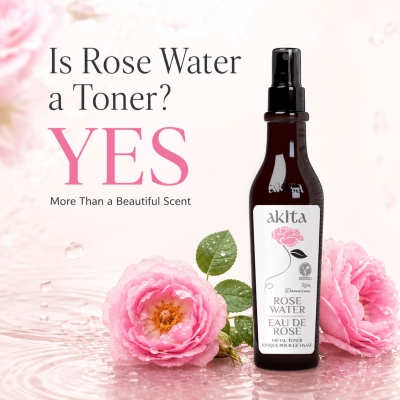
Yes, pure rose water can be used as a gentle facial toner, but its value goes far beyond its beautiful scent
Rose water is often recognized by its delicate floral aroma. Yet the fragrance is only one part of what makes genuine rose water special. When produced by distilling Rosa damascena flowers, rose water contains naturally occurring, water-soluble and aromatic compounds transferred from the petals during distillation.
This botanical composition is why high-quality rose water can serve as a simple, refreshing facial toner for daily skincare.
What Is a Facial Toner?
A facial toner is a lightweight, water-based product applied after cleansing and before serum or moisturizer. Depending on its formulation, a toner may help:
Refresh the skin after cleansing
Remove small traces of cleanser or surface residue
Prepare the skin for the next steps in a skincare routine
Provide light hydration
Leave the skin feeling softer and more comfortable
Traditional toners often contained high levels of alcohol and were designed to create a tight, dry sensation. Modern skincare has moved toward gentler formulas that focus on hydration and skin comfort rather than stripping awa...
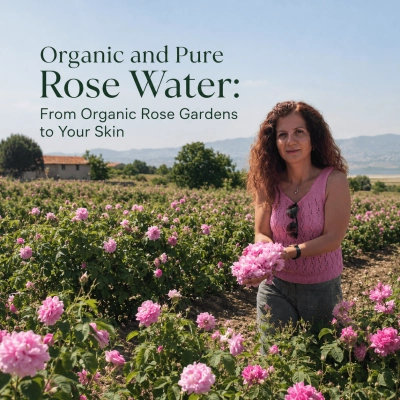
Organic and Pure Rose Water: From Akita’s Organic Rose Gardens to Your Skin
What makes rose water truly organic and pure?
“Organic rose water” and “pure rose water” are often used as if they mean the same thing. In fact, they describe two different qualities.
Organic refers mainly to how the roses are grown and how the agricultural process is managed.
Pure refers to what is inside the finished bottle.
A rose water may be produced from organically grown roses but still contain added fragrance, preservatives or other ingredients. Conversely, a product may contain only rose distillate without holding an organic certification.
This is why Canadian consumers should look beyond the words printed on the front of the bottle. The rose species, growing conditions, production method, ingredient list and supporting documents all matter.
Akita Non-De-Oiled Rose Water brings these elements together: Rosa damascena flowers grown in Akita’s organic rose gardens are distilled without separating the naturally occurring rose oil from the water. The finished product contains a single cosmetic ingredient:
INCI: Rosa Damascena Flower Distillate
What does “organic rose water” mean?
Or...
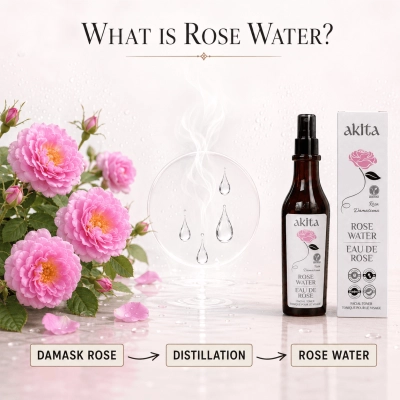
A complete guide to real rose water, rose hydrosol and Rosa damascena flower distillate
Rose water is often described simply as water that smells like roses. That description, however, leaves out what makes traditionally distilled rose water so distinctive.
Authentic rose water is an aromatic distillate produced from rose flowers—most commonly the Damask rose, Rosa damascena. During distillation, heat releases volatile and water-soluble compounds from the petals. These compounds travel with the steam, which is then cooled and collected as a clear, fragrant liquid.
The result is more than rose-scented water. It is a plant distillate whose aroma, composition and quality depend on the rose variety, growing region, harvest conditions, distillation method and whether the rose oil is separated afterward.
This distinction matters because products sold as “rose water” in Canada can be very different from one another.
What exactly is rose water?
In its traditional sense, rose water is the water-based aromatic portion collected during the distillation of fresh rose flowers.
A scientific description would be:
Rose water is a liquid distillate containing wa...
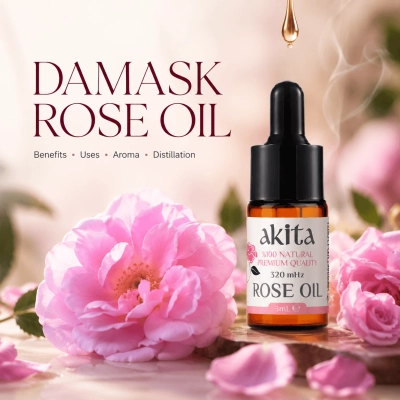
Few botanical ingredients have inspired perfume, skin care and traditional wellness practices as deeply as Damask rose oil. Also known as rose otto or Rosa damascena essential oil, this intensely aromatic oil is produced from freshly harvested Damask rose petals.
Its value comes from more than its celebrated fragrance. Damask roses have a short flowering season, the blossoms must be collected and processed carefully, and only a very small amount of essential oil is obtained from a large quantity of flowers.
But what exactly is Damask rose oil? Is rose otto the same as rose essential oil? What does it smell like, and what does scientific research actually say about its benefits?
This guide explains the complete journey—from the rose fields to the finished oil.
What Is Damask Rose Oil?
Damask rose oil is the concentrated volatile oil obtained primarily from the flowers of Rosa damascena Mill. The oil is generally produced through water or steam distillation and is widely used in fine fragrance, cosmetics, aromatherapy and natural health products.
Several names may appear on product labels:
Damask rose oil
Rose essential oil
Rosa damascena flower oil
Rose otto
At...
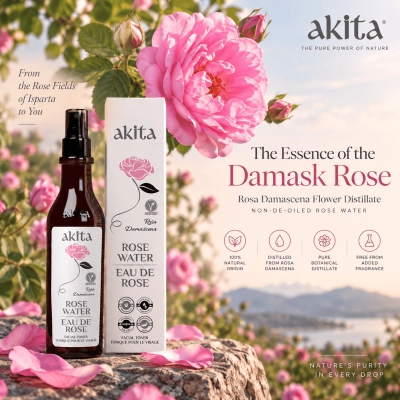
What Is Rosa Damascena Flower Distillate?
The Scientific Identity Behind Akita Non-De-Oiled Rose Water
Rose water may sound like one of the simplest botanical ingredients: roses and water. Yet the story inside a bottle can be much more complex.
The rose species, where and when the flowers are harvested, the distillation process, and what happens to the aromatic fractions during production can all influence the final distillate.
Akita’s Non-De-Oiled Rose Water, produced from Rosa damascena flowers, has been made using a distinctive approach since 2003. Rather than producing rose water as a secondary water fraction after separating the essential oil, Akita’s process is designed to retain the distillate without separating the volatile oil fraction.
The INCI name associated with this ingredient is:
Rosa Damascena Flower Distillate
INCI Application No.: 2025-14613
But what exactly does “Flower Distillate” mean? And why is the distinction between conventional rose water and a non-de-oiled rose distillate important?
To understand the difference, we need to look beyond the familiar name “rose water” and into the science of distillation.
First, What Does INCI Mean?
INCI s...
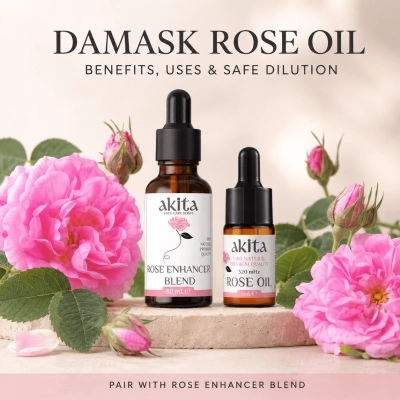
Damask Rose Oil Benefits: Uses, Skin Care and Safe Application
Discover what makes pure Rosa damascena essential oil so precious, and how to use it safely with Akita Rose Enhancer Blend.
Damask rose oil is one of the most treasured essential oils in the world. Distilled from the delicate flowers of Rosa damascena, it is valued for its complex fragrance, concentrated composition and centuries-old place in perfumery, personal care and aromatic traditions.
In Isparta, Türkiye, one of the world’s best-known rose-growing regions, the flowers are traditionally picked by hand during a brief annual harvest. Their limited flowering season, careful harvesting and extremely low oil yield help explain why authentic rose oil is both rare and valuable.
What Makes Damask Rose Oil So Special?
Rose oil is more than a rose-scented ingredient. It is a highly concentrated essential oil containing naturally occurring aromatic compounds that collectively create its distinctive fragrance and character.
Its principal constituents may include:
Citronellol: Contributes a fresh, rosy character and has demonstrated antimicrobial activity in laboratory research.
Geran...